
World Wisdom Atlas
Every civilization has earned something the next one risks losing.
Millennia of philosophy, ethics, medicine, governance, and spiritual practice—collected, grounded, and made genuinely useful.

Mission
"To make humanity's accumulated wisdom discoverable, grounded in trusted sources, and genuinely useful for the questions people face today."
This is not an archive project. It is not an AI experiment. It is a long-term knowledge infrastructure—built carefully, sourced responsibly, and designed to remain useful across languages, disciplines, and generations.
Start here
Watch a brief introduction to World Wisdom Atlas
In a few minutes, see why WWA exists and how it helps people explore humanity’s wisdom across cultures, traditions, and time.
What It Is
A living wisdom engine, grounded in heritage sources
World Wisdom Atlas is a search-first knowledge system built on a curated evidence layer. When you ask a question, the atlas retrieves, evaluates, and produces a grounded synthesis with full provenance.
Search-first
Ask any wisdom question and receive a grounded answer — not links, not AI guesses, but synthesized insight with visible evidence.
Curated evidence layer
Academic institutions, cultural heritage bodies, and primary text repositories. Every source passes a trust and provenance standard.
Geographically rooted
Every entry is anchored to where it originated. Browse by culture, era, or locate traditions on a world map.
Transparent confidence
Every result carries support and confidence indicators so you always know how strong the evidence is behind what you're reading.
Why It Is Different
Grounded synthesis—not retrieval, not generation
The goal is honest understanding. When the evidence is strong, it shows. When it is not, the atlas says so plainly.
Versus search
A search engine returns links and ranked fragments. The synthesis is left entirely to you. World Wisdom Atlas retrieves, evaluates, and produces grounded insight — with every source traceable and visible.
Versus general AI
Most AI systems generate fluent text without disclosing the evidence behind it, or acknowledging when that evidence is thin. The atlas makes its evidence layer transparent: you can see what it found, how strong it is, and where it came from.
Versus static collections
Reference encyclopedias compile neutral entries. The atlas interprets — drawing out core insights, lasting principles, and genuine relevance — while being honest when traditions disagree or evidence is limited.
The Product
Six ways to move through the atlas

The primary search experience. Ask any wisdom question and receive a grounded answer drawn from the trusted evidence layer, with source provenance and confidence indicators.
Explore
Browse the atlas by category, culture, era, or keyword. Discover traditions, thinkers, and ideas you did not know to look for.
Map
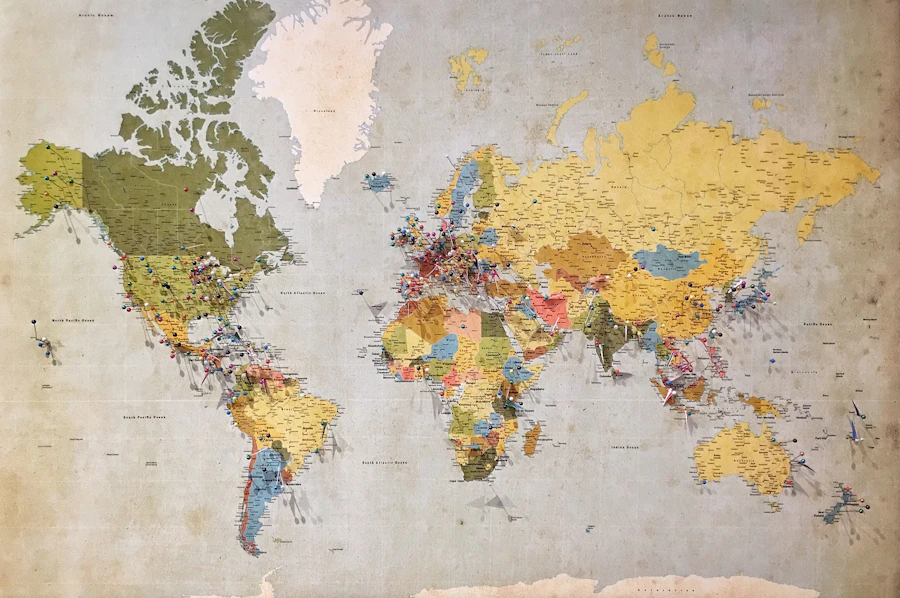
See wisdom placed geographically. Every entry is anchored to where it originated — philosophy in Athens, contemplative practice across Asia, oral traditions in West and Central Africa.
Scenario Analysis
LiveBring cross-cultural wisdom frameworks to bear on real, present-day questions and dilemmas. Multi-lens analysis grounded in the same trusted evidence layer as the rest of the atlas.
Contribute
Suggest a tradition, thinker, or source that deserves a place in the atlas. Every submission is reviewed, and those that meet the grounding standard enter the museum layer.
Dashboard
A personal space for saved entries, collections, and reading history. Available to registered users.
Scope
What the atlas is not
Not a search engine
It does not surface links for you to sort through. It retrieves, evaluates, and synthesizes — the work of finding and grounding is already done before you read.
Not a chatbot
It does not generate plausible text in the absence of evidence. When support is limited, it acknowledges that plainly rather than filling the gap with fluency.
Not an encyclopedia
Rather than compiling neutral reference entries, it draws out insight, lasting principles, and present-day relevance — and is transparent where interpretation is involved.
Not a social platform
There are no feeds, no followers, and no engagement mechanics. The product is designed to serve understanding, not to capture attention.

Trust and Grounding
Built on sources, not confidence
Every answer the atlas produces is backed by a transparent evidence layer — traceable, honest, and held to a high standard.
Institutional sources
Academic institutions, cultural heritage bodies, and primary text repositories. No source enters without passing the trust and provenance standard.
Visible confidence
Each result carries support and confidence indicators. When evidence is strong, that's visible. When it's limited or contested, the atlas says so plainly.
Cultural respect
This product holds genuine respect for the living and historical traditions it represents. Knowledge is presented with care, context, and intellectual seriousness.
Built to last
Wisdom that has survived for centuries deserves to be handled carefully. That is the standard this atlas holds itself to — across generations.
Curation balance — explained
The atlas is a curated selection, not an exhaustive list. A short read-only page explains how cultural balance is computed across regions and categories so you can understand why certain traditions appear where they do.